
How to Reduce Anxiety and Loneliness as a Cancer Survivor
Surviving cancer can be a traumatic ideal but there are ways to reduce loneliness and anxiety.

Surviving cancer can be a traumatic ideal but there are ways to reduce loneliness and anxiety.
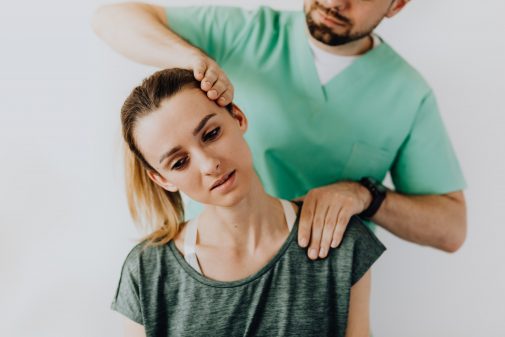
You’ve heard about massage, facials and more – but did you know they can help those with cancer live well. We discover how exactly they prove to be beneficial in improving quality of life.

We explore how meditation acts as a complement to ongoing health treatments to improve your wellbeing.

This May We Thrive, explore how creative visualisation can help those with cancer reduce negative feelings.

Sleep plays a greater effect in preventing cancer than we would expect. But, how do we resolve sleeping difficulties without necessarily touching a sleeping pill?

A cancer diagnosis can leave you feeling in shock but the power of perspective can help you process the journey in a healthy manner.
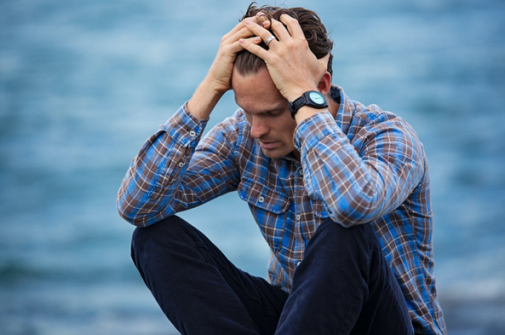
While there is insufficient evidence to conclude that chronic stress causes cancer, there are suggestions that being in a constant state of stress is a risk factor for cancer and its progression.

Christmas can often be a difficult time for those suffering with Cancer – especially when coping with the side effects of treatment, and experiencing fatigue or tiredness. Whilst everyone else is joyously organizing for the festivities ahead, you might otherwise be struggling to feel the Christmas spirit.

Join experienced facilitator Cathy Brown to explore the nine areas of life cancer thrivers may have in common. Built on lived experiences, this interactive program brings to life your unique

Living Life is a 3 week course which can be stand alone or follow on from Change Your Mind, Change Your Life. In this course we will be looking at

Meeting the Challenge half day seminar will introduce you to a range of available services and support, including: Evidence based complementary therapies proven to help you feel as well as

This five-week course brings together the neuroscience of recovery after trauma, with the latest in mindful movement techniques, and is highly relevant to anyone who feels like their body has